How to Build a Garden Gym of My Own?
Tired of the post-work rush at the gym? The endless queue for the squat rack, the monthly fees chipping away at your bank balance, and the sheer effort of just getting there? We’ve all been there.
But what if the ultimate answer to your fitness goals was just a few steps away, nestled at the bottom of your garden?
A garden gym offers a sanctuary of privacy, unparalleled convenience, and a workout environment that’s entirely your own. It’s a dream that’s more achievable than you might think, even when considering the practicalities like running power or finding a suitable generator for home use.
In the UK, where we cherish our personal space and our gardens, creating a dedicated fitness haven is becoming the go-to solution for many. Let’s walk you through how to turn this brilliant idea into a reality.
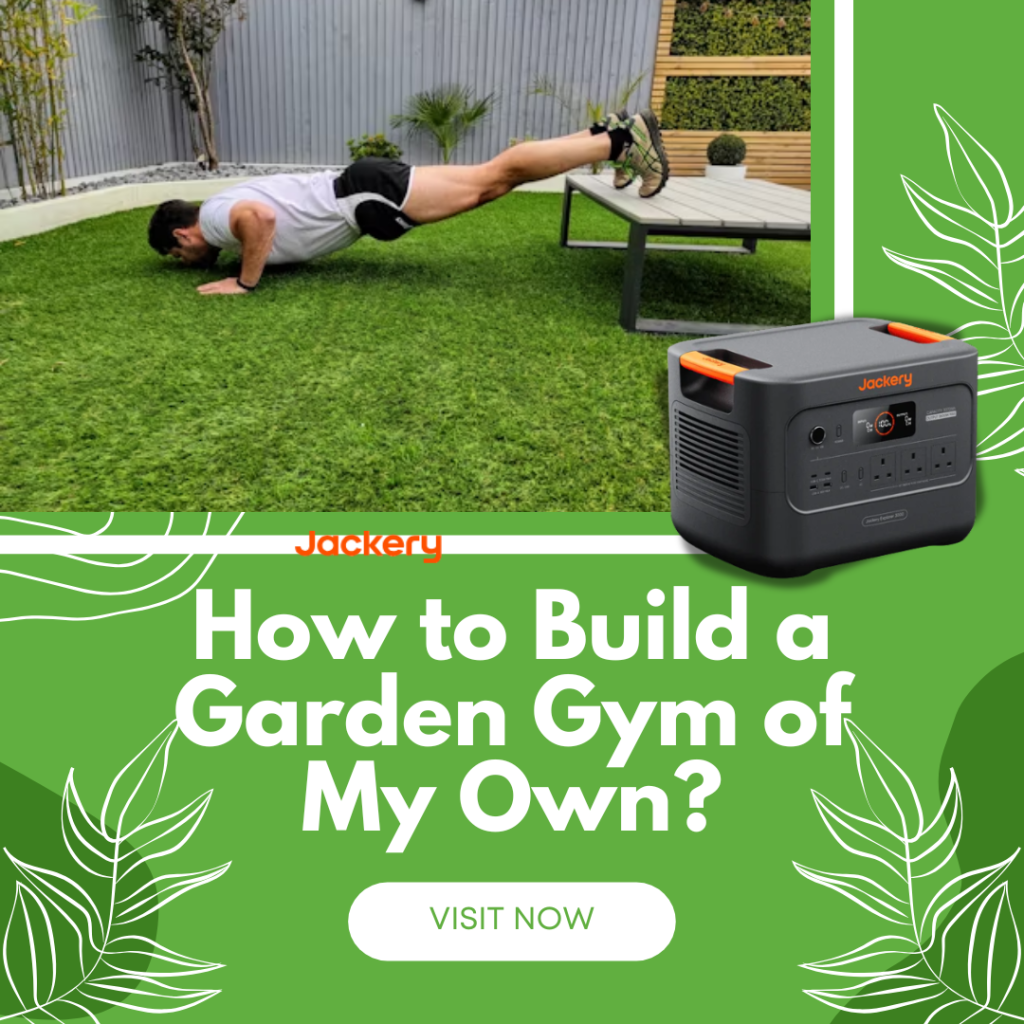
Alt: A man doing push-ups in a modern garden gym with a Jackery portable power station nearby.
The Benefits of Swapping Your Membership for a Garden Gym
Still on the fence? Let’s break down the tangible benefits of creating your own personal fitness space. It’s about more than just dodging the January rush; it’s a lifestyle upgrade.
- Truly Personalised Workouts
Forget the one-size-fits-all approach of commercial gyms. Your garden gym is your kingdom. Whether you’re a powerlifter needing space for a squat rack, a yoga enthusiast craving a serene spot for your sun salutations, or a cardio fan wanting a treadmill with a view of the roses, you call the shots. You can even create a dedicated area for garden gymnastics, with rings and bars, crafting a space that evolves with your fitness journey.
- Unbeatable Convenience
Imagine finishing work and being in your gym, mid-warm-up, within minutes. No traffic jams, no hunting for a parking space, and no opening-hour restrictions. A garden gym is open 24/7, ready whenever you are. This sheer convenience makes it far easier to stay consistent and build a routine that genuinely works for your schedule, not someone else’s.
- A Smart Long-Term Investment
While there’s an upfront cost, a garden gym quickly pays for itself. Add up your monthly gym membership, travel costs, and those tempting post-workout coffees. Over a few years, that figure is substantial. Investing that money into your own equipment and space means you’re building an asset, not just paying a recurring fee.
- Privacy, Peace, and Pure Focus
For many, the biggest draw is privacy. No more feeling self-conscious when trying a new exercise, no more waiting for someone to finish scrolling on their phone while using the machine you need. It’s just you, your music, and your goals. This distraction-free environment allows for deeper focus, leading to more effective and mindful workouts.
- Embrace the Great Outdoors
There’s a unique mental boost that comes with outdoor fitness. Even on a classic British cloudy day, the fresh air and natural light are invigorating. Opening the doors to your garden gym connects your workout to nature, reducing stress and improving your mood in a way that fluorescent-lit, air-conditioned rooms simply can’t match. It’s a game-changer for your mental as well as physical well-being.
- Boost Your Property’s Value
A well-constructed, versatile garden room is a highly desirable feature for potential homebuyers. A space that can function as a gym, a home office, or a studio adds significant appeal and can genuinely increase the market value of your property. It’s not just an investment in your health, but in your home as well.
The Garden Gym Equipment You’ll Need
With your structure in place, it’s time for the most exciting part: choosing the equipment.
While the foundation of any good gym lies in weights, benches, and mats, it’s the powered equipment that truly elevates your space. It transforms a simple shed into a modern, multi-functional fitness hub that you’ll be excited to use every day.
But powering this gear is often the biggest hurdle. The thought of digging trenches for armoured mains cables is enough to put anyone off. Thankfully, there’s a simpler, smarter way. First, let’s look at the key pieces of powered equipment that will make your garden gym complete.
The Cardio Core
Cardiovascular exercise is fundamental to any routine, and modern machines make it more effective and engaging.
- Treadmills: Perfect for rainy-day runs or controlled HIIT sessions. The motor that drives the belt requires a solid burst of power to start, and the console needs constant energy to track your speed, incline, and calories burned.
- Ellipticals & Exercise Bikes: These are fantastic low-impact options. Their power draw is mainly for the digital console and magnetic resistance systems, which allow you to seamlessly change the intensity of your workout at the touch of a button.
Entertainment and Digital Motivation
Staying motivated is half the battle. Creating an immersive environment is a game-changer for consistency.
- Sound System: Whether it’s a Bluetooth speaker or a full setup, music is proven to boost performance. You’ll need a reliable power source to keep the workout anthems playing.
- Screen/Monitor: Mount a tablet or a small smart TV on the wall. This allows you to stream online fitness classes from Peloton or Les Mills, follow along with YouTube tutorials, or simply catch up on your favourite Netflix series during a long cycle.
- Device Charging: Your phone or tablet is your workout tracker, music player, and timer. A dedicated charging point ensures you never run out of battery mid-session.
All-Season Comfort and Climate Control
You’re building a gym for year-round use, so you need to be able to control the environment.
- High-Velocity Fan: During an intense session, especially in the summer months, a powerful fan isn’t a luxury; it’s essential for staying cool, maintaining performance, and preventing overheating.
- Small Electric Heater: A compact oil-filled radiator or fan heater can take the chill out of the air on a frosty winter morning, making the difference between you staying warm indoors and getting your workout done.
- Lighting: Good quality, bright LED lighting is vital for safety, especially when you’re lifting weights. It also makes the space feel more welcoming and professional, particularly for early morning or late-night workouts.
Recovery and Refuelling Station
The post-workout window is just as important as the session itself.
- Mini-Fridge: Keep it stocked with cold water, sports drinks, or pre-mixed protein shakes for instant refreshment and rehydration right where you need it.
- Blender: A compact blender allows you to whip up a fresh, nutritious protein smoothie immediately after your workout to kick-start muscle recovery.
- Massage Gun Charger: Ensure your percussive massager is always charged and ready to soothe sore muscles.
The Smart Power Solution: The Jackery Explorer 3000 v2
So, how do you power a treadmill, heater, lights, and speakers without an electrician’s bill that costs more than the equipment itself? The answer is a high-capacity, portable power station.
For a setup this versatile, we recommend the Jackery Explorer 3000 v2 Portable Power Station. It’s engineered specifically for these kinds of demands.
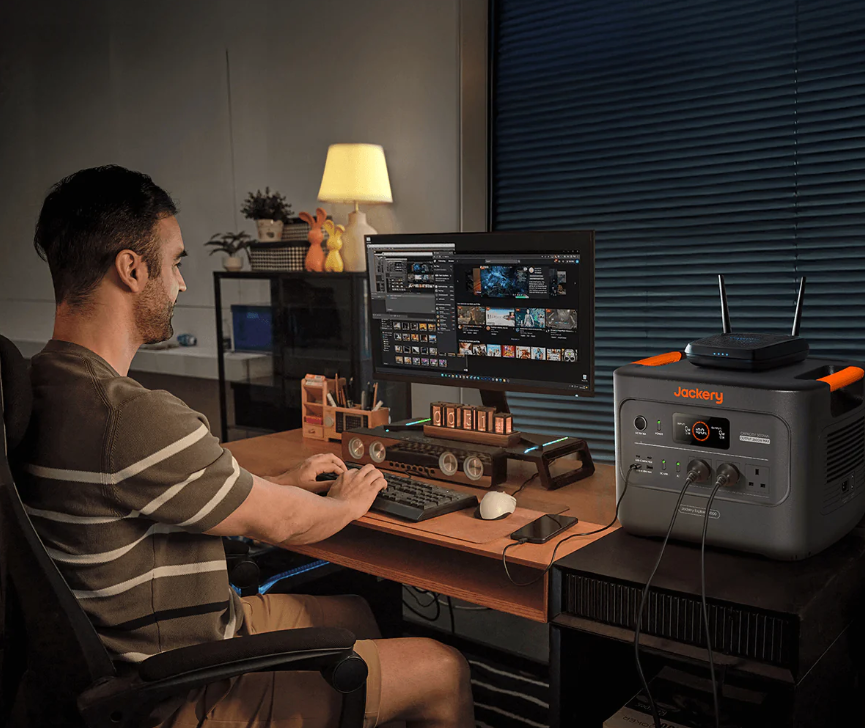
Alt: A man using a computer setup in a home office, powered by a Jackery Explorer 3000 v2 Portable Power Station.
- Immense Power Output: With a continuous 3600W output, it can handle the initial power surge from a treadmill motor and run multiple appliances at once. You can have your fan, music, and lights on while you run, with no worries about tripping a circuit.
- Massive Capacity: Its 3072Wh capacity means it can sustain your equipment for hours. A typical hour-long workout using a treadmill, fan, and speakers might only use a fraction of its charge.
- Plug-and-Play Simplicity: This is the best part. You simply carry it in, plug in your gear, and switch it on. There is zero installation, no fumes, and it operates almost silently, unlike a noisy petrol generator that would completely ruin your focus.
- Solar Ready: As a leading power station UK brand, Jackery ensures you can go fully off-grid. By connecting Jackery solar panels, you can recharge the Explorer 3000 v2 for free using sunlight, making your garden gym completely self-sufficient and eco-friendly.
Other Factors to Contribute Your Perfect Garden Gym
With your equipment list and power solution sorted, it’s time to focus on the space itself. Careful planning at this stage will save you headaches down the line and ensure your garden gym is safe, comfortable, and built to last. Here are the key factors to consider.
Location & Size
First, decide where your gym will live. Consider access from your house, privacy from neighbours, and how it will sit within your garden’s landscape. Think about natural light – positioning windows to face south can help warm the space in winter.
Before you buy anything, get a tape measure. Map out the footprint of your essential equipment (treadmill, squat rack, bench) and leave plenty of clear space around each for safe movement. Remember to account for ceiling height, especially if you plan on doing overhead presses, pull-ups, or using equipment like a SkiErg.
A quick note on planning permission:
In the UK, many garden buildings fall under ‘Permitted Development’, meaning you don’t need formal permission. However, rules regarding height and proximity to your property boundary apply. It is always best to check the official government Planning Portal or your local council’s website to be certain.
The Structure: What’s Your Style?
You have several options when it comes to the building itself:
- Shed Conversion: This is often the most budget-friendly route. A sturdy wooden or metal shed can be reinforced and insulated to create a functional gym. It’s a great DIY project but will require work to make it fully weatherproof and secure.
- Purpose-Built Garden Room: The premium choice. These are essentially small, high-quality houses for your garden, complete with insulation, double-glazing, and robust construction. They look fantastic and offer a comfortable, professional environment for your outdoor fitness routine.
- Lean-to or Covered Area: For the true fresh-air enthusiast, a simple roofed structure attached to your house or a wall can provide shelter from the rain while keeping you connected to the outdoors. This is ideal for free weights, bodyweight exercises, or a boxing bag.
Foundations & Flooring
A solid, level base is non-negotiable. An uneven foundation can damage the structure and make using equipment unsafe. A concrete slab is the gold standard, but a base made from paving slabs or modern ground screws can also work well.
Inside, your flooring needs to be tough. Standard laminate or vinyl will crack under the pressure of weights. Invest in heavy-duty rubber gym flooring, which comes in rolls or interlocking tiles. It absorbs impact, protects your equipment and the floor beneath, provides excellent grip, and helps to deaden sound.
Insulation, Ventilation & Lighting
To use your garden gym year-round, these three elements are critical:
- Insulation: Insulating the walls, floor, and ceiling will keep your gym warm in the winter and cool in the summer, making it far more energy-efficient and comfortable.
- Ventilation: Workouts create heat and moisture. Good ventilation—such as trickle vents, an open window, or a simple extractor fan—is essential to prevent condensation and keep the air fresh.
- Lighting: Plan for bright, clear lighting. Flush-mounted LED panels provide excellent overhead light without reducing ceiling height, ensuring you can see what you’re doing and maintain correct form.
Safety First
Finally, ensure your gym is a safe space. This means installing strong locks on doors and windows, keeping a well-stocked first aid kit on hand, and positioning mirrors to help you monitor your form and prevent injury. Always ensure there is enough clear space to perform exercises without hitting walls or other equipment.
How to Maintain Your Outdoor Gym
You’ve invested time, effort, and money into creating your perfect garden gym, so you’ll want to ensure it stays in top condition for years to come. A little regular maintenance goes a long way in protecting both the structure and the expensive equipment inside.
Structure Maintenance
Your garden room is constantly exposed to the Great British weather. A simple annual check-up can prevent small issues from becoming big problems.
- Treat the Woodwork: If you have a timber structure, treat the exterior cladding every few years with a quality wood preserver or paint. This is your best defence against rot and water damage.
- Clear the Gutters: Just like on your house, gutters can get clogged with leaves and debris, especially in autumn. Keep them clear to ensure rainwater flows away from the building and doesn’t cause damp issues.
- Check Seals and the Roof: Annually inspect the seals around your windows and doors to ensure they’re still watertight. Give the roof a quick look-over to check for any damage to tiles or roofing felt.
- Keep Vents Clear: Ensure any ventilation points are free from obstructions like cobwebs or leaves to allow air to circulate freely and prevent condensation build-up.
Equipment Care: Protect Your Gear
Proper equipment care is not just about cleanliness; it’s about safety and ensuring smooth operation.
- Wipe Down After Every Use: Sweat is corrosive. Keep a cloth and a bottle of gentle antibacterial cleaner handy to wipe down benches, handles, and cardio machine consoles after each workout. This protects upholstery and prevents rust.
- Perform Regular Safety Checks: Once a month, take a few minutes to tighten any nuts and bolts on your squat rack, weight benches, and cable machines. This is especially critical for any outdoor gymnastics equipment like pull-up bars or rings, where structural integrity is paramount for safety.
- Lubricate Moving Parts: Cardio machines and cable systems have moving parts that need occasional lubrication to run smoothly and quietly. Check the manufacturer’s guide for your specific models and apply the recommended lubricant as needed.
- Care for Electronics: Keep the electronic displays on your treadmill or bike clean and dust-free. If your gym is prone to extreme cold in the winter, be mindful that this can sometimes affect LCD screens.
- Store Weights Properly: Use a weight tree or rack to store dumbbells and plates. This prevents them from getting damaged, stops rust from developing, and keeps your floor clear of dangerous trip hazards.
Your Fitness, Your Rules: Time to Build
Ready to bring your vision to life? The key to unlocking the full potential of your garden gym is reliable, off-grid power.
Visit the Jackery today and take the first step towards building the ultimate home fitness space.

